Developing a needle-free muscle test
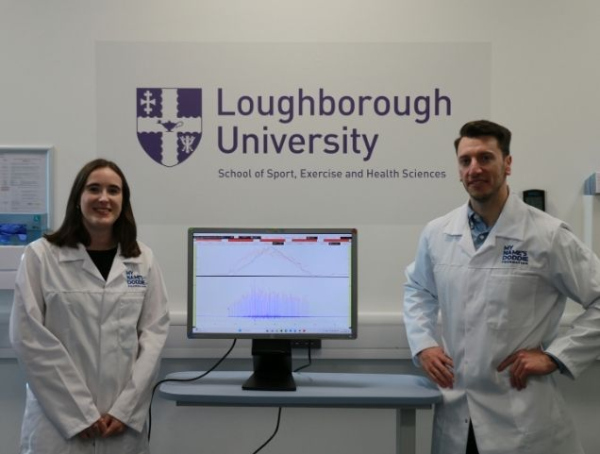
Dr Jakob Skarabot and Dr Gemma Brownhill, Loughborough University
Catalyst Award
Improve translation
December 2026 - December 2027
£67,332.37
Summary
For many people with MND, diagnosis is slow and uncertain, and there are limited ways to monitor how the disease progresses. Current tests can require specialist expertise, lengthy procedures or uncomfortable needle insertions into muscles, making them difficult to use routinely in clinics.
Dr Skarabot's team aims to develop a fast, simple and clinic-friendly test to measure damage to the connections between motor neurons and muscle fibres in people with MND. They will use a non-invasive technique known as surface electromyography (EMG), which records electrical signals from muscles using sensors placed on the skin. Advanced computer programs will use these signals to measure changes caused by the disease.
The researchers will identify easy-to-use sensors, develop software that automatically analyses the data and provides immediate results, and test the system in people living with MND in the UK and Canada.
Why this research is important
This project aims to provide a rapid, reliable and comfortable alternative to existing needle-based tests. If successful, it could make diagnosis and disease monitoring simpler and less invasive, reducing the need for uncomfortable procedures. It could also improve how disease progression is measured in clinical trials, helping researchers evaluate potential new treatments more effectively.
More research projects
View all
Hear about future funding
By subscribing, you confirm that you agree with our terms and conditions.