Understanding energy production
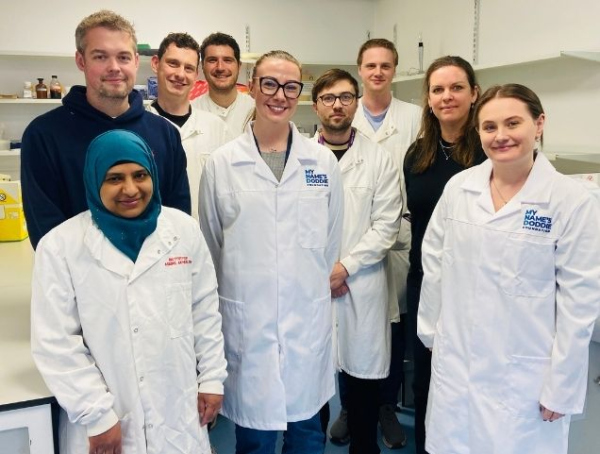
Dr Helen Devine and Dr Oliver Russell, Newcastle University
Catalyst Award
Validate therapeutic targets
November 2026 - October 2027
£98,405.00
Summary
Our bodies rely on tiny structures called mitochondria to produce energy. Motor neurons need large amounts of energy to function, but energy production is known to be disrupted in MND. Despite this, scientists still do not fully understand how these changes contribute to the disease.
Dr Helen Devine and Dr Oliver Russell and their teams will investigate how energy production is altered in postmortem brain and spinal cord tissue donated by people with sporadic MND and by individuals without neurological disease. Using a recently developed technique, they will measure how much energy mitochondria can generate, how efficiently they function and whether they switch into a "reverse mode", where they consume energy instead of producing it. The team will also examine individual cells to determine whether these problems occur mainly in motor neurons or in other cell types.
Then, they will investigate whether the energy changes are linked to abnormal TDP-43, a protein that is found in the wrong place in motor neurons and forms harmful clumps in most cases of MND.
Why this research is important
Altered mitochondrial function, and the resulting changes in cellular energy production, has long been considered a potential treatment target in MND, but it has not been fully validated in human tissue. This study will help determine whether restoring mitochondrial function could be an effective strategy for treating sporadic MND and provide an important foundation for the development of potential new treatments.
More research projects
View all
Hear about future funding
By subscribing, you confirm that you agree with our terms and conditions.