We have made it our mission to fund research into effective treatments that will slow, stop, or reverse the effects of motor neuron disease (MND). This year, our Advancing Treatments Awards will support the development of three potential new treatment approaches. Today, we can announce the three promising projects that we will fund through these Awards.

Together, this funding totals nearly £1.3 million. It will help design a gene therapy for MND, create targeted therapeutics for MND-affected cells, and repurpose promising therapies that are already used to treat other diseases.

The three awards go to:

  • Dr Younbok Lee of King’s College London, to fund his work developing a gene therapy for MND. Mutations in the C9orf72 cause 40% of inherited cases of MND. Dr Lee plans to use harmless viruses to alter the mutant gene so it no longer works, before introducing a healthy version of the gene. If successful, the approach would treat certain cases of MND at their root.
  • Professor Pietro Fratta of University College London. In MND, targeting genes that worsen disease is a promising treatment approach. Professor Fratta has developed a new technology that will direct gene therapies specifically to the cells affected by MND, hopefully resulting in higher effectiveness and fewer side effects. His work begins by taking aim at a known MND gene called ATXN2, but in the future, the technology should be able to be applied to any other promising gene target too.
  • Professor Kevin Talbot of the University of Oxford. New treatment development happens very slowly. This is partly because new therapies must be thoroughly tested to establish their safety. Professor Talbot previously screened existing approved therapies to see if they could keep motor neurons alive for longer. He identified a treatment called a calcium channel blocker – currently used to lower blood pressure – that fit the bill. Professor Talbot will explore how calcium channel blockers protect motor neurons and advance the treatment towards use in MND.

    Over the following month, we will release further details of these projects in a series of detailed articles. Follow our website updates and socials to find out more.

MND is an incredibly complex disease and many treatments have been tested in clinical trials and failed, so we need to explore as many different approaches as possible and ensure research is delivered to the highest standards. Through our Advancing Treatments Awards, we are doing just that. We’d like to thank the researchers leading these projects, as well as our expert Research Review Committee for identifying that these projects have such high potential.

Jessica Lee

Director of Research at My Name’5 Doddie Foundation

More news & stories

View all
 picture
Research
23 Sep 2026

Topline announcement of Phase 3 trial results for FUS-MND appear promising

Yesterday, the companies Otsuka and Ionis announced the results of their Phase 3 trial of the genetic therapy, ulefnersen. Ulefnersen targets a rare form of MND…
Read more
 picture
MND stories Research
14 Sep 2026

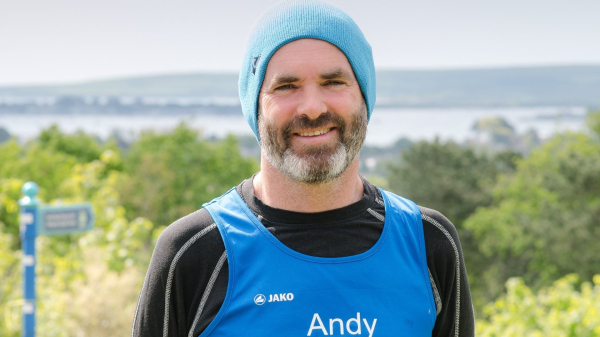
R.A.C.E. to Diagnose: New training programme to speed up MND diagnosis

For Andy Vaughton, receiving a motor neuron disease (MND) diagnosis in 2021 finally provided an answer for symptoms he had been struggling with for several years.…
Read more
 picture
Fundraising MND stories
10 Sep 2026

"I love you, and this is for you": Cammy cycles over 1,000 miles in memory of his Dad

This year, Cammy Jones has taken on two long-distance cycling challenges for My Name’5 Doddie Foundation: Doddie’s Triple Crown, which saw him ride from Melrose…
Read more
Bell icon

Join our Newsletter!

By subscribing, you confirm that you agree with our terms and conditions.