Last year, we announced the launch of our Clinical Research Infrastructure Awards, which promised to enhance MND clinical research capabilities and ensure more people living with MND in the UK can access a clinical trial. We said we would commit £500,000, designed to be used by existing trial centres to invest in additional specialised staff, and ‘buy out’ their time to work on MND clinical trials.
Following his diagnosis in 2016, Doddie was passionate about the need for more clinical trials, to give hope and purpose to others in a similar position. Since then, the landscape has changed significantly and there are many more trials running across the UK, thanks to increased investment including almost £3 million from My Name’5 Doddie Foundation. However, despite the increased number of trials ongoing, many centres are not able to deliver them as quickly or effectively as possible due to a lack of dedicated and specialised staff spending time on MND trials.
The Clinical Research Infrastructure Awards were created to remedy exactly that; support the employment and retention of clinical trial staff specialising in the delivery of MND trials. Additional and dedicated staff enable these centres to either begin recruiting to MND trials for the first time, or provide additional capacity at sites that already recruit to MND trials that have the potential to expand their portfolio of trials and increase recruitment numbers.
Following the strength of the award applications, we increased our total commitment from £500,000 to over £780,000, enabling even more trial centres to secure additional and dedicated staff time on MND trials specifically.
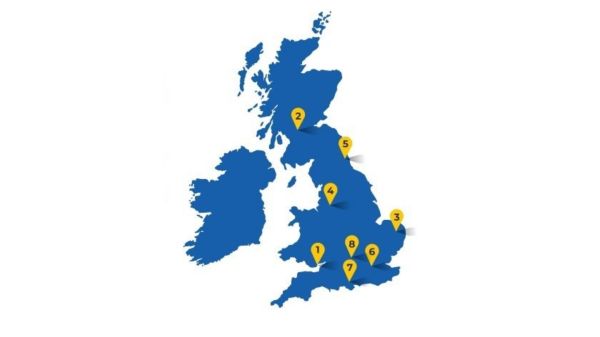
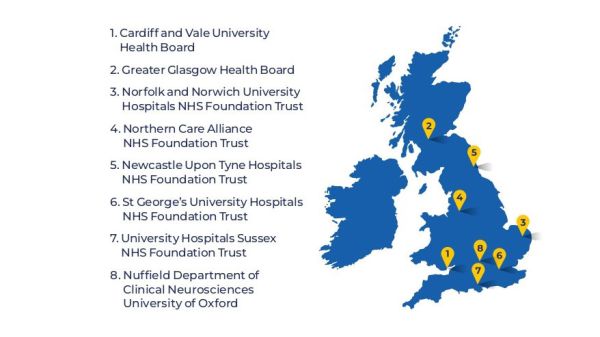
The seven new sites which have received Clinical Research Infrastructure Awards, along with a pilot site that was funded earlier this year, are:
- Cardiff and Vale University Health Board: £124,871 over 36 months
- Greater Glasgow Health Board: £124,985 over 36 months
- Norfolk and Norwich University Hospitals NHS Foundation Trust: £112,738 over 36 months
- Northern Care Alliance NHS Foundation Trust: £124,036 over 36 months
- Newcastle Upon Tyne Hospitals NHS Foundation Trust: £93,644 over 36 months
- Nuffield Department of Clinical Neurosciences University of Oxford (pilot site): £90,547.95 over 24 months
- St George’s University Hospitals NHS Foundation Trust: £123,503.54 over 30 months
- University Hospitals Sussex NHS Foundation Trust: £80,148 over 36 months