Exercise and MND
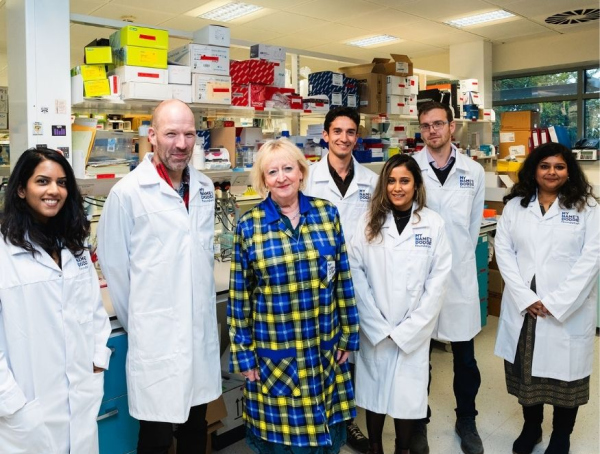
Professor Dame Pamela Shaw, Dr Johnathan Cooper-Knock and Dr Ryan West, University of Sheffield
Other
Validate therapeutic targets
March 2022 - June 2026
£435,000.00*
Summary
Several research studies from recent years have reported an increased risk of neurodegenerative diseases, including MND, in people who have played elite sport. It is not known what causes this reported increased risk for MND but it has been suggested that strenuous exercise could be linked to the development of MND in people with a specific mutation in the C9orf72 gene.
Professor Shaw and her team will use a range of human cell and fruit fly models, as well as analysing genetic data from people living with MND, with the hope of unravelling the interplay between genetics and environmental factors such as strenuous exercise.
Why this research is important
This research could enhance our understanding of how lifestyle and genetics intertwine in disease onset and progression, revealing new therapeutic targets for MND. It may also allow healthcare professionals to guide personalised lifestyle recommendations for those who are genetically predisposed to the disease. The findings have the potential to significantly impact public health approaches and treatment strategies for MND.
Important findings from this research were published in October 2025. You can read more about these here.
*This project is co-funded by private donations.
More research projects
View all
Hear about future funding
By subscribing, you confirm that you agree with our terms and conditions.